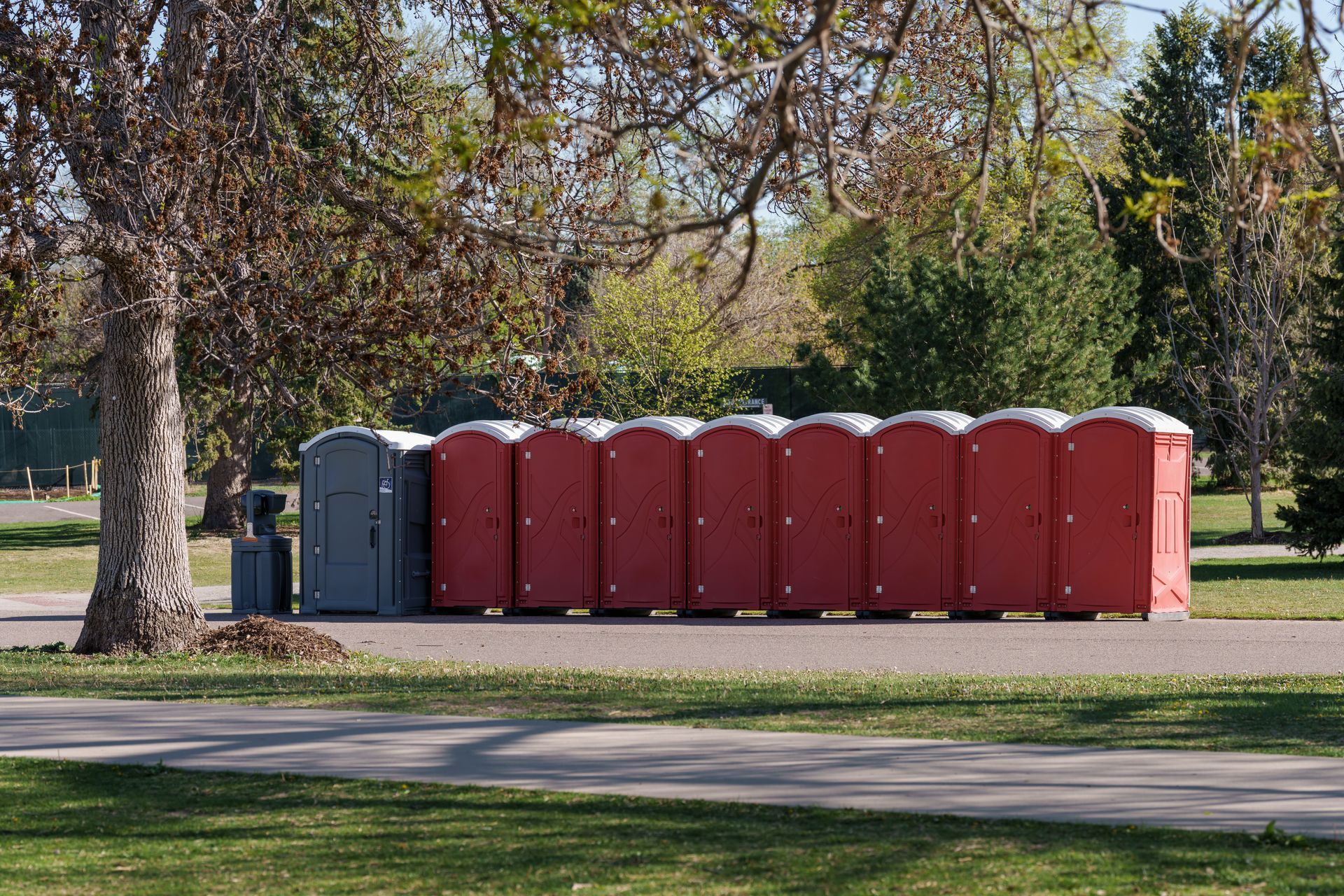
Need portable toilets rental in Ooltewah, TN? American Portables helps contractors meet OSHA rules with clean units, reliable service, and local delivery.
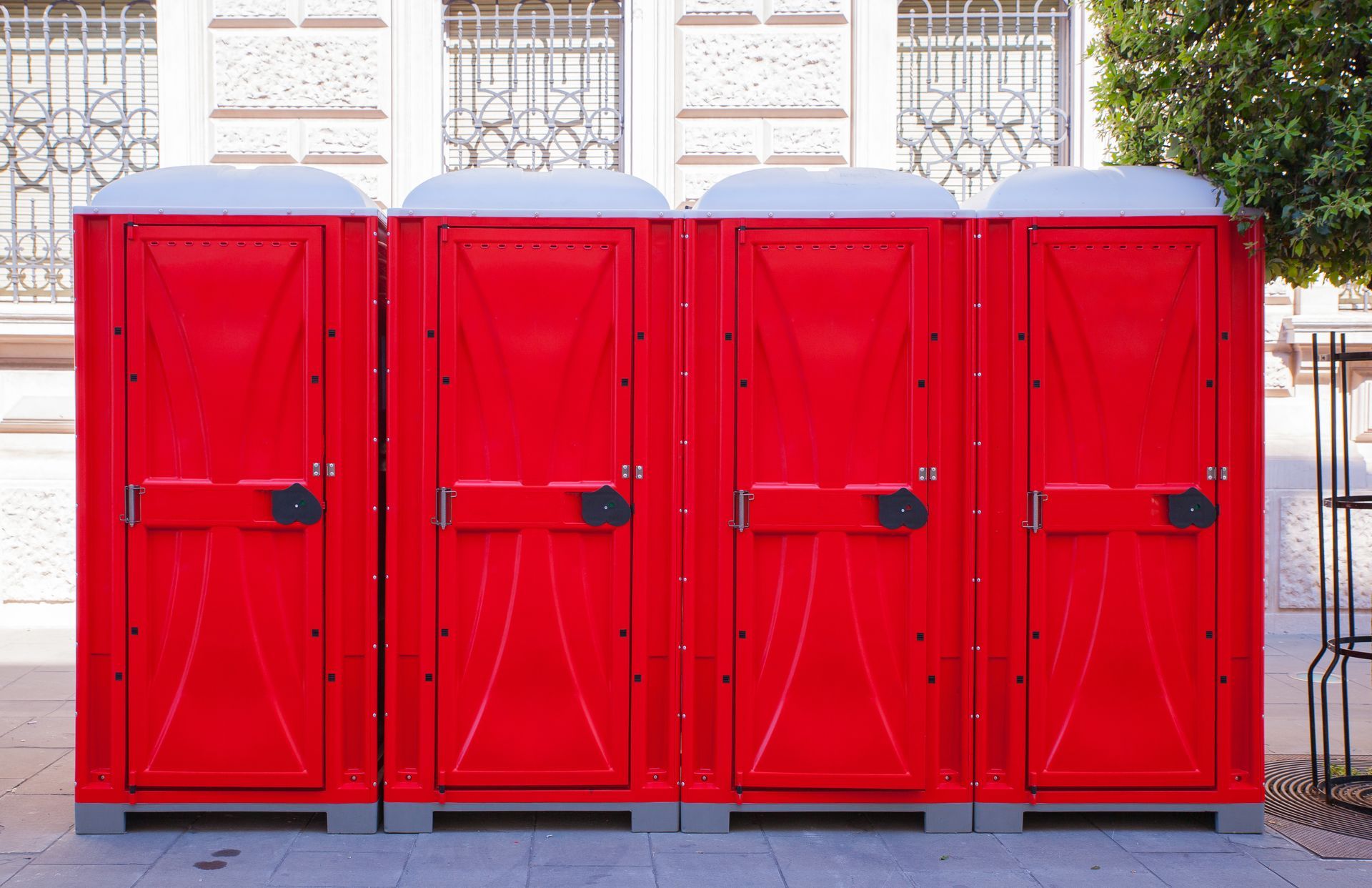
Find the right portable toilet company in Chattanooga, TN. American Portables offers clean units, ADA options, and fast delivery. Get a free quote.
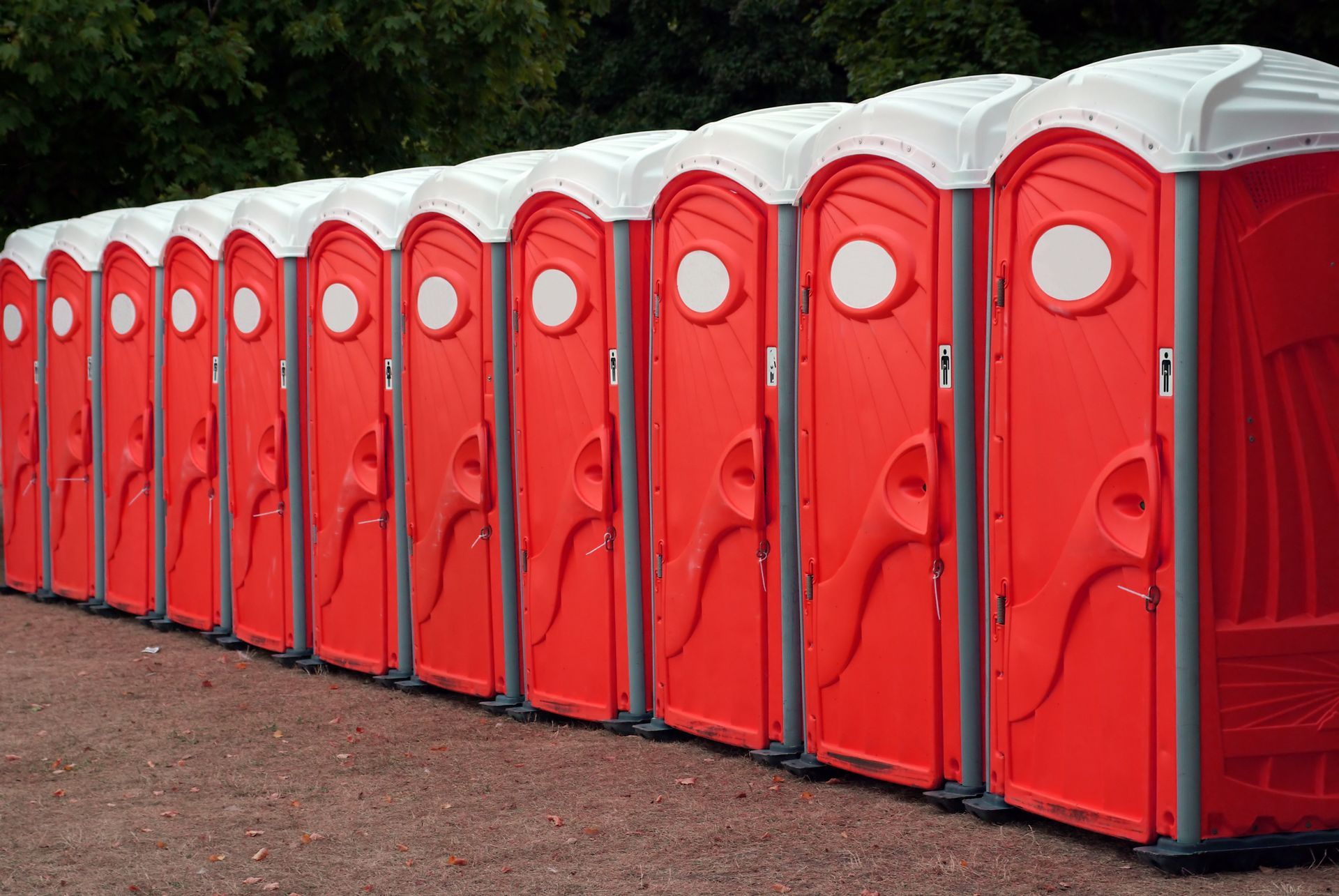
Not sure how many units to rent? Use our Porta Potty Rental guide for Chattanooga, TN events and job sites. American Portables. Get a free quote today.

Need porta-potty rental? American Portables offers reliable solutions. Call 423-716-3330 today to plan your event with ease.
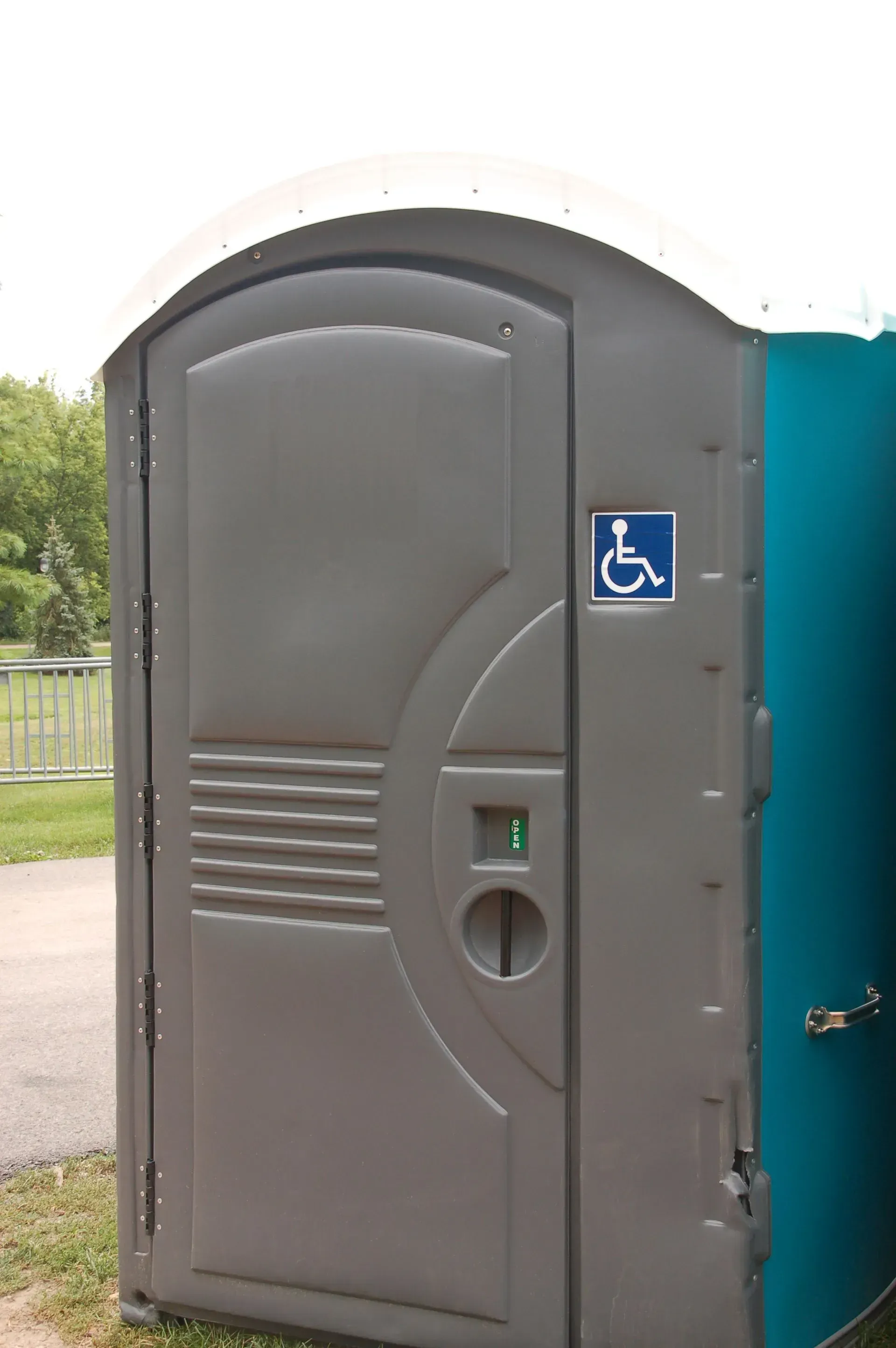
Ensure ADA-compliant portable toilets for your events in Cleveland, Ooltewah, and Chattanooga, TN with American Portables. We provide accessible and reliable sanitation solutions to meet all event needs. Contact us today for a free consultation and expert service!
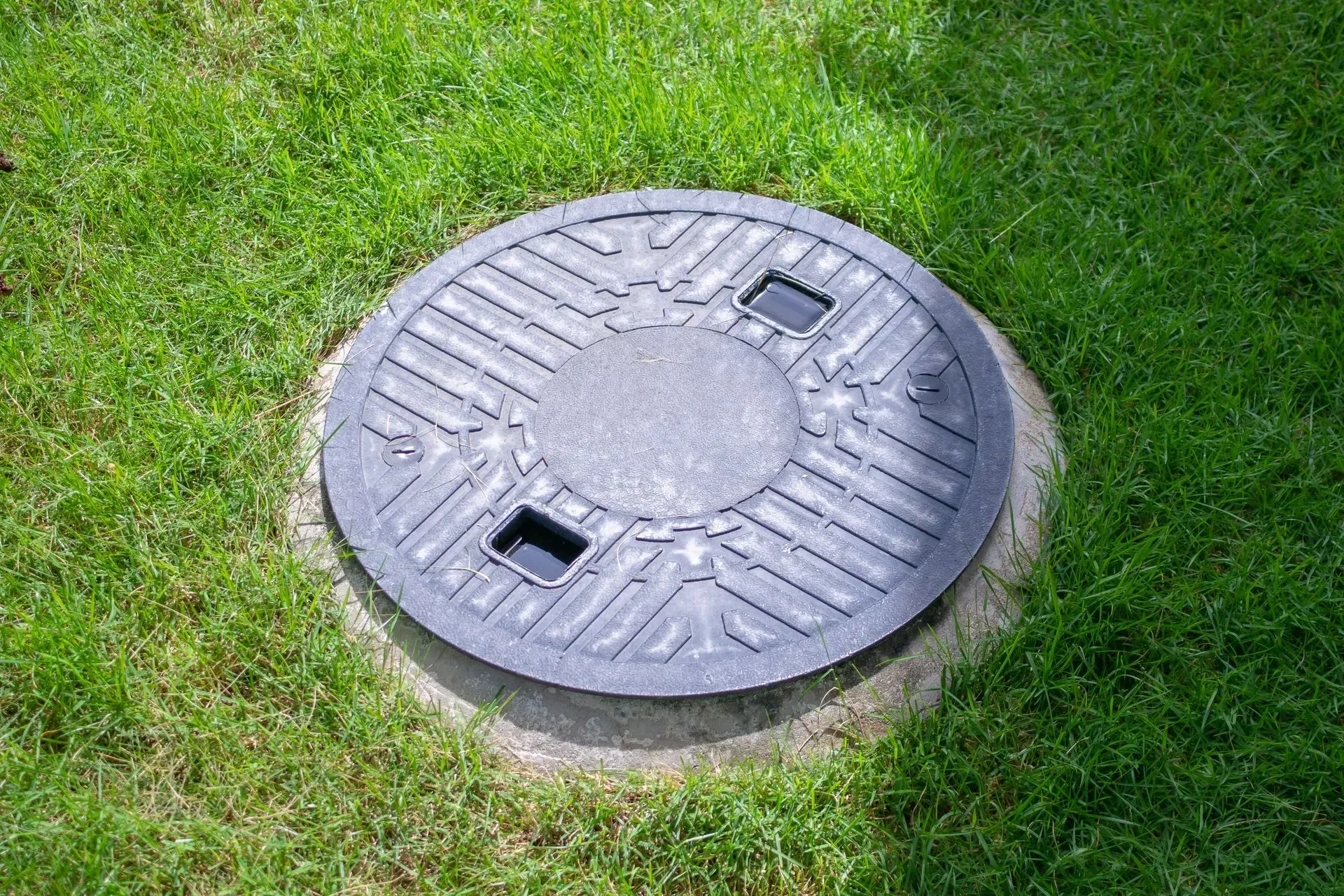
In rural areas, houses typically rely on septic systems rather than being connected to a city sewer system. This is primarily due to the logistical and financial challenges of extending sewer lines over vast, sparsely populated areas. Unlike urban areas, where homes and businesses are densely packed, rural communities are spread out, making the infrastructure required for a centralized sewer system impractical and cost-prohibitive. Septic systems provide a viable, self-contained solution for waste management, effectively treating and disposing of household wastewater on-site. Septic systems are designed to suit the unique needs of rural properties. They consist of a septic tank and a drain field, which work together to naturally treat and disperse wastewater. This process begins in the septic tank, where solids settle and are broken down by bacteria, while the liquid effluent flows into the drain field for further purification. This method is not only efficient but also environmentally friendly, as it recharges groundwater and minimizes the risk of sewage spills that can occur with overloaded city sewer systems. Additionally, because each septic system is tailored to the specific property, it can be designed to accommodate varying soil types and water tables found in rural areas. Maintaining a septic system requires regular pumping and inspections to ensure it functions properly, but this is a small price to pay for the independence it offers. For rural homeowners, the benefits of a septic system include lower monthly costs, as there are no sewer fees, and greater control over their waste management system. Moreover, septic systems can continue to operate during power outages, which can be a significant advantage in remote areas prone to electrical disruptions. By using septic systems, rural homes can enjoy reliable and efficient wastewater treatment, perfectly suited to their location and lifestyle.
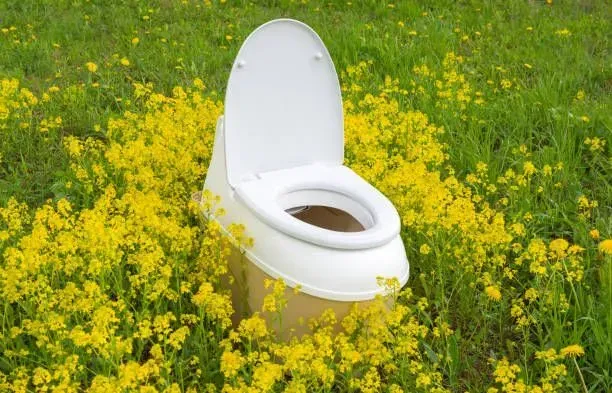
Get expert spring care tips for your septic system in Cleveland, Ooltewah, and Chattanooga, TN from American Portables. Keep your system running smoothly with our trusted advice. Contact us today for a free consultation and reliable septic services!
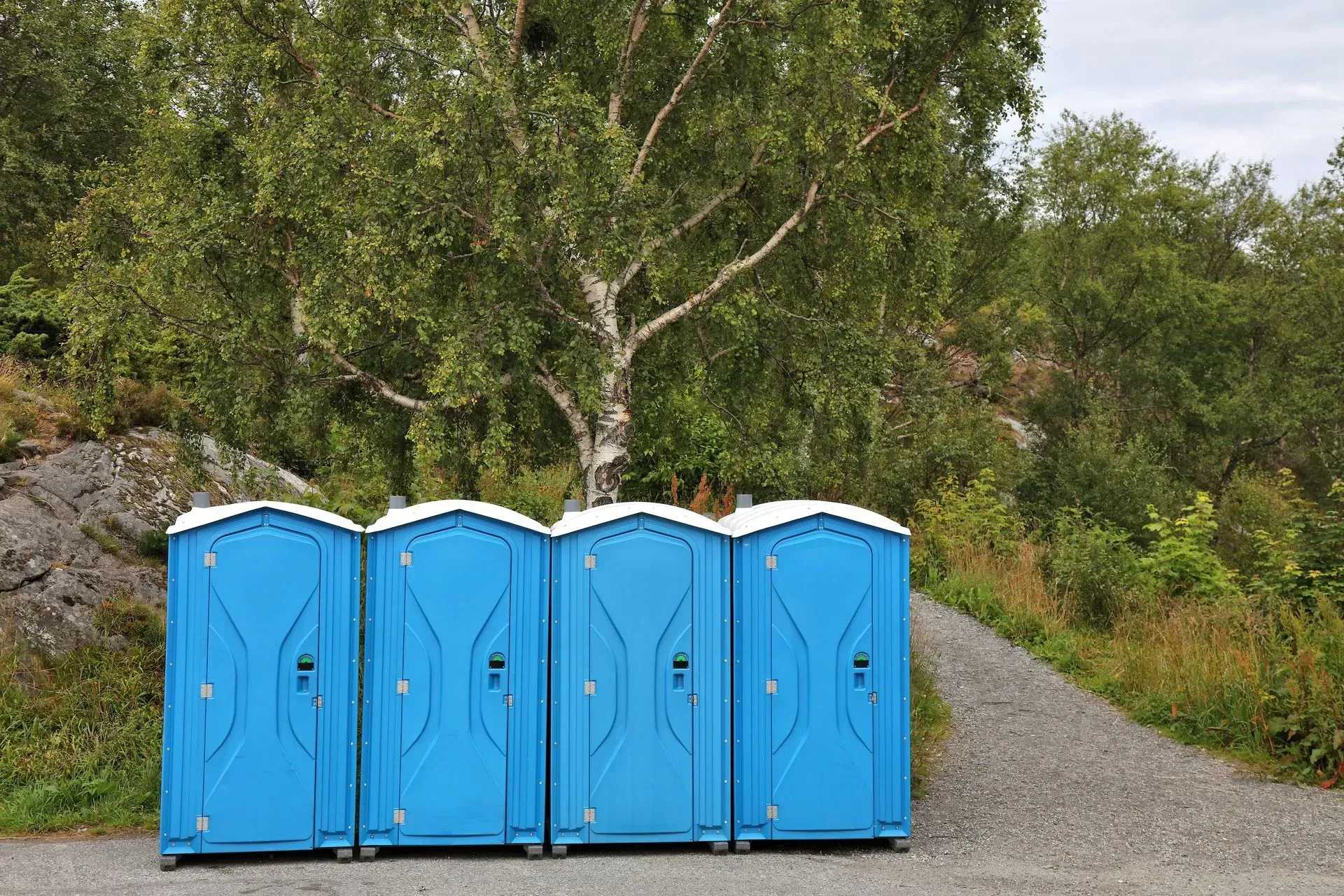
Throughout history, certain innovations stand out for their transformative impact on our daily lives, often in ways we may take for granted in modern society. One product in particular that's an uncelebrated yet indispensable invention- the portable toilet. From its humble beginnings to its widespread use today, the history of portable toilets is a fascinating journey through time, reflecting the evolution of human needs and societal progress. The history of portable toilets is a testament to human ingenuity in addressing the essential yet often overlooked aspects of sanitation. While the concept of portable toilets may seem contemporary, its roots can be traced back to ancient civilizations. Portable toilets have evolved since their beginning, dating back to 14th century B.C in ancient Egypt. Archaeologists unveiled the earliest example of a portable toilet in 1906, while excavating an undisturbed tomb. Their findings gave insight into the everyday lives of individuals then, and the development of a portable toilet designed with a wooden seat with a hole over a large pot. Historical records suggest that ancient Egyptians utilized simple portable toilet-like structures for military campaigns, showcasing an early recognition of the need for mobile sanitation solutions. The Egyptian's sanitary solution is similar to chamber pots found in Ancient Greece and throughout Europe, dating back to the 6th century; typically constructed of lead, clay or glass. Chamber pots remained a sanitary staple in homes allowing privacy for women and high society individuals, for thousands of years until the 15th century when outhouses became a popular solution. Outhouses became popular across Europe as higher-end short term lodging installed them outside of the main house; one stall for women and one stall for men. Although outhouses were not portable, they became a blueprint for modern portable toilets used today. Original outhouses were about three to four feet wide and seven feet tall, similar to today's. With the boom of the industrial revolution in the 1800s, cities became more populated and illness increasingly more rampant due to improper sanitation and close proximity of mass populations. A sanitary solution to decrease illness led to the installation of running water and indoor plumbing. By the 1930’s indoor plumbing was available to the majority of the public, large cities throughout the United States and most of the developed world. However, providing a sanitary option in areas without running water remained an issue, and by 1960 the first portable toilet to replace wooden outhouses was patented with deodorizers, paving the way for a new industry. Over the last 60 years, portable toilets have evolved to meet the needs of anyone and everyone, including wheelchair accessibility. Fast forward to the 20th century, and portable toilets took on a more recognizable form with the advent of lightweight materials and efficient designs. The rise of outdoor events, construction sites, and recreational activities in the latter half of the century further propelled the development and widespread adoption of portable toilets, transforming them from a utilitarian necessity to an integral part of modern sanitation infrastructure. Today, these portable facilities play a crucial role in ensuring hygienic and convenient access to sanitation in a variety of settings, underlining their enduring significance in the evolution of human convenience and public health.
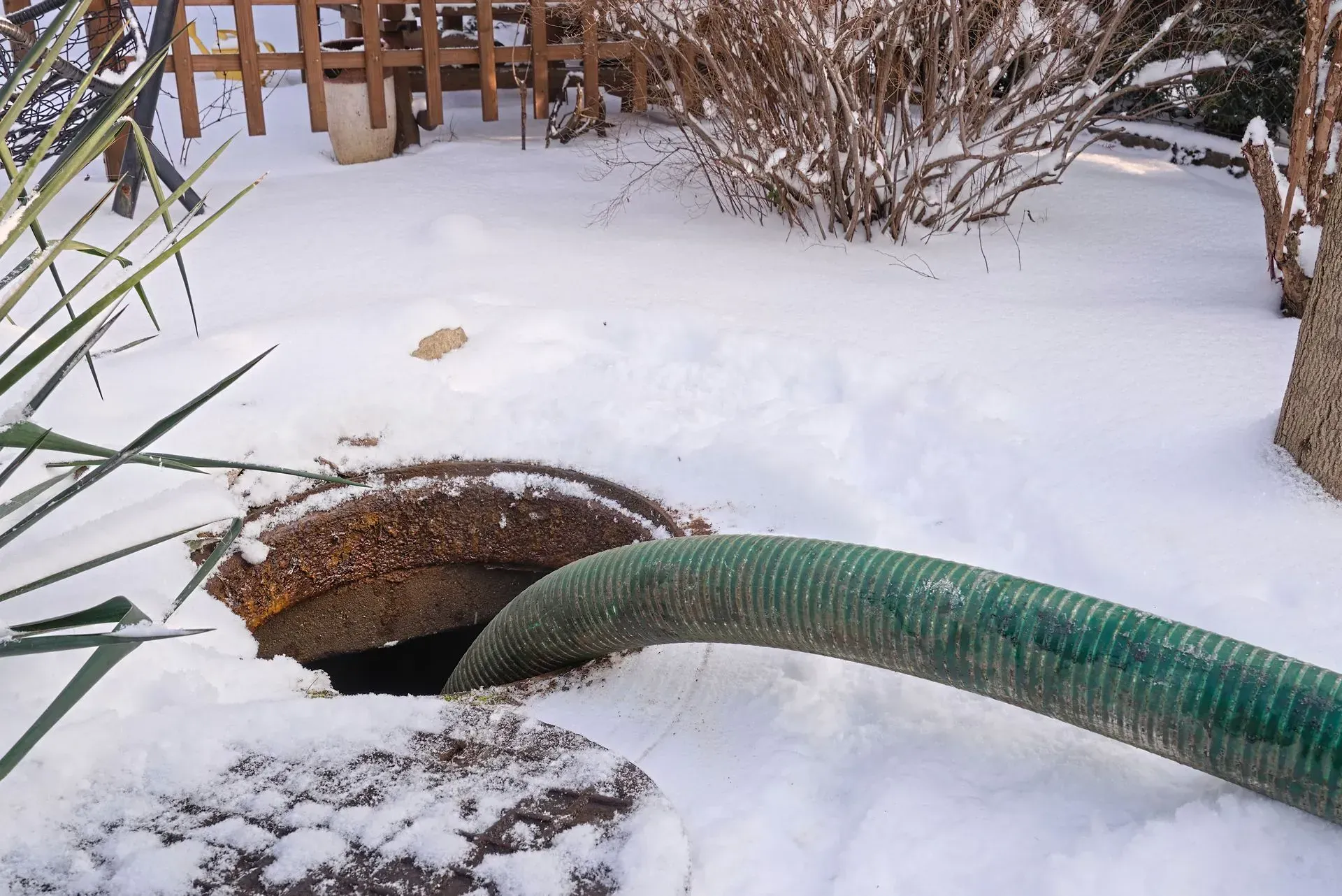
As winter blankets your surroundings in snow and frost, it's crucial not to overlook the needs of one essential but often neglected part of your home—the septic system. While it might be out of sight, it should never be out of mind, especially during the colder months. Although most septic systems are several feet below the ground's surface, and not prone to freezing it’s necessary to consider proper maintenance during colder temperatures. Due to the frigid temperatures during winter, the bacteria in septic systems are sensitive to the cold, frozen tanks are probable, especially when temperatures drop below 50°F. Proper winter maintenance can prevent costly repairs and ensure that your septic system continues to function efficiently. Here are a few things to consider for your seasonal septic maintenance before winter! Inspect and Pump Before Winter Hits: Before winter sets in, schedule a professional inspection of your septic system. Ensure that it's pumped and cleaned thoroughly. Removing sludge and solids prevents them from freezing during colder temperatures and causing potential blockages. Protect Your Septic Tank: Insulate your septic tank to shield it from freezing temperatures. A thick layer of mulch or straw can provide a protective barrier. Be cautious, however, not to cover vent pipes, as they need to remain exposed for proper airflow. Mind Your Water Usage: During winter, water usage tends to increase due to more time spent indoors. Be mindful of excess water, as it can overwhelm your septic system. Fix any leaks promptly, and consider spreading out laundry and dishwashing tasks over the week to avoid overloading the system. Be Cautious with Landscaping: Snow and ice might make landscaping seem less important, but avoid piling excessive snow or ice on top of your septic system components. Excessive weight can cause damage or lead to freezing issues. Insulate Pipes and Components: Cold temperatures can wreak havoc on septic system pipes and components. Insulate exposed pipes and the septic tank lid to prevent freezing. This simple step can help maintain a consistent temperature within the system. Keep Heavy Traffic Away: The ground around your septic system can become soft during winter, making it vulnerable to damage. Minimize heavy traffic, such as parking cars or heavy machinery, to prevent soil compaction and potential harm to the system. Monitor the Drain Field: Pay attention to the drain field area. If you notice any unusual odors or soggy spots, it could be a sign of a problem. Excess moisture and freezing temperatures can hinder the drain field's ability to absorb and filter effluent. Schedule Regular Maintenance: Don't let winter be the only time you think about your septic system. Scheduling regular maintenance throughout the year, including inspections and pumping, will keep your system in top-notch condition and catch any ongoing issues before becoming worse. By taking these proactive steps and understanding proper professional septic maintenance, homeowners can ensure their septic systems withstand the winter chill and operate smoothly. Remember, a little care goes a long way in preventing costly repairs and maintaining the health of your home's essential plumbing infrastructure!
Stay Informed and Keep Things Flowing!
Explore our blog for the latest insights on portable toilet rentals, septic maintenance tips, and more. Ready to experience our top-notch services firsthand? Contact us to get started!